


−80°C Freezer Failures: The Hidden Risk to Biopharma Research
In biopharma, the −80 °C freezer is one of the quiet heroes of research. It protects irreplaceable cell lines, vaccines, APIs, reference standards, and years of work. Yet despite its important role, −80 °C freezer failure remains one of the most underestimated risks in laboratories today.
When these ultra-low temperature (ULT) freezers fail, damage doesn’t happen gradually, it happens fast. Within hours, samples can degrade, assays become invalid, regulatory exposure escalates, and research timelines collapse. This article explores why −80 °C freezer failures are so dangerous, what causes them, and how biopharma labs can reduce risk through smarter monitoring, maintenance, and calibration.
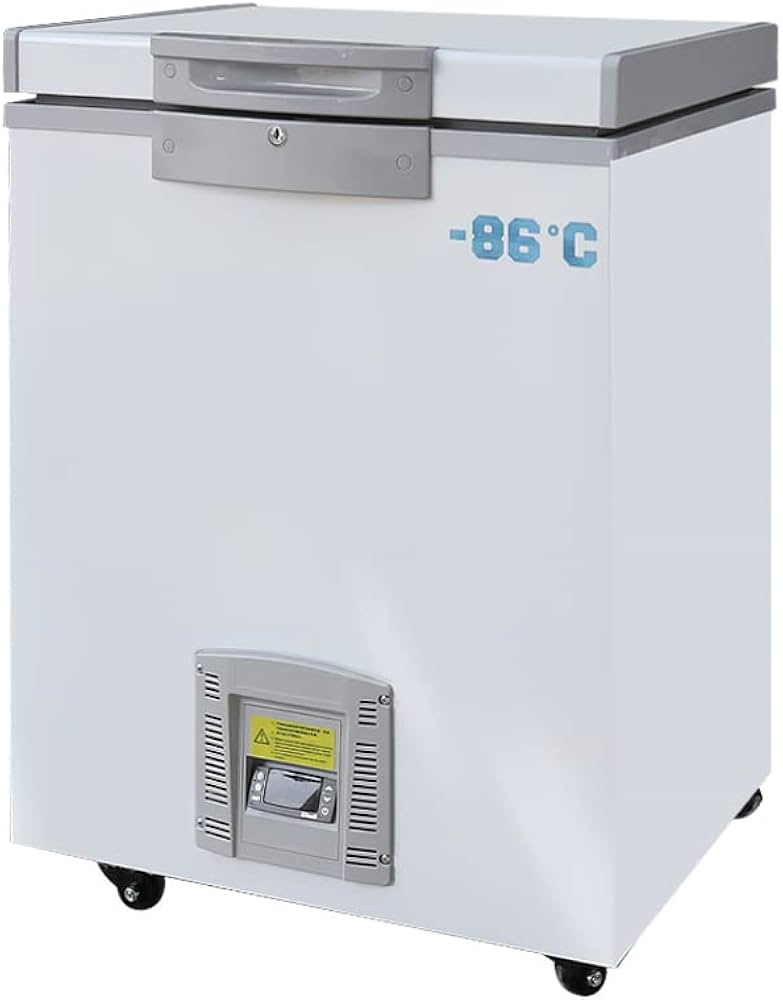
Why −80 °C Matters in Biopharma
−80 °C is not an arbitrary number. At this temperature, biochemical activity essentially stops, preserving biological integrity for long-term storage. Biopharma labs rely on ULT freezers for:
Cell and gene therapy materials
Vaccine and biologic development
Stability samples
Retained lots and reference standards
Clinical trial samples
Even short-term deviations above acceptable limits can trigger protein denaturation, loss of viability, or degradation of nucleic acids. Unlike general lab refrigeration, failure here can mean total sample loss—not partial damage.
The True Cost of a −80 °C Freezer Failure
Many labs focus on the replacement cost of the freezer itself. That’s the smallest concern.
The real losses often include:
Destroyed samples that cannot be reproduced
Invalidated studies and failed stability programs
Regulatory findings during audits and inspections
Delayed clinical timelines costing millions
Lost intellectual property from early-stage research
Reputational damage with sponsors and partners
In regulated environments governed by agencies like the U.S. Food and Drug Administration, freezer failures can become audit findings if monitoring, documentation, or corrective actions are inadequate.
Common Causes of −80 °C Freezer Failures
ULT freezers are sophisticated systems operating at the edge of mechanical limits. Several recurring issues drive failures:
1. Compressor and Cascade System Breakdown
Most −80 °C freezers use dual-stage cascade refrigeration. If one compressor begins to fail, temperatures can rise rapidly. Early symptoms are often missed without continuous monitoring.
2. Alarm System Failures
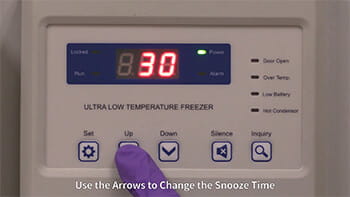
Alarms that are uncalibrated, improperly configured, or disconnected from after-hours notifications are a leading contributor to catastrophic losses. An alarm that no one hears is no alarm at all.
3. Power Interruptions
Brief outages, tripped breakers, or unstable backup power systems can destabilize ULT freezers. Restarting after a power event can strain aging compressors.
4. Poor Preventive Maintenance
Dust-clogged filters, degraded door gaskets, and neglected condenser coils reduce cooling efficiency and accelerate failure.
5. Sensor Drift and Miscalibration
Temperature probes can drift over time, displaying “safe” values while internal temperatures rise. Without regular calibration, labs may never know they’re out of spec.
Why Freezer Failures Often Go Undetected
One of the most dangerous aspects of −80 °C freezer failures is how quietly they happen.
Temperature excursions may occur overnight or during weekends
Local displays may lag behind actual chamber conditions
Alarm thresholds may be set too wide to be meaningful
Data logs may not be reviewed regularly
By the time staff discovers the problem, irreversible damage has already occurred.
Regulatory and Compliance Implications
Biopharma labs operate under strict regulatory expectations for environmental control and sample integrity. Regulators expect:
Continuous temperature monitoring
Verified alarm functionality
Traceable calibration of sensors
Documented response procedures
Preventive maintenance records
During inspections, auditors often ask not only whether freezer temperatures were maintained, but how the lab knows. Missing documentation or unvalidated systems can lead to citations, investigations, or even halted studies.
Alignment with quality standards such as ISO 17025 helps demonstrate control, traceability, and data integrity—especially for labs supporting regulated manufacturing or clinical work.
The Role of Calibration in Preventing Freezer Failures
Calibration is one of the most overlooked defenses against ULT freezer risk.
What Should Be Calibrated?
Primary temperature probes
Secondary monitoring sensors
Alarm setpoints and triggers
Independent data loggers
Calibration verifies that displayed temperatures match actual chamber conditions across operating ranges, not just at a single point.
How Often Should It Be Done?
Most biopharma environments require at least annual calibration, with higher-risk applications requiring semi-annual or quarterly verification.
Without calibration, labs may be operating in false compliance, believing their samples are safe when they are not.
Monitoring Systems: Not All Are Created Equal
Modern −80 °C freezer monitoring goes beyond a local buzzer.
Effective systems should include:
Continuous digital data logging
Remote alerts via phone, text, or email
Alarm redundancy
Battery-backed sensors
Audit-ready data retention
Integration with facility monitoring or SCADA platforms provides even greater visibility and response speed, especially in multi-freezer environments.
Emergency Preparedness and Response Planning
Even with best practices, failures can still occur. The difference between a scare and a disaster is preparation.
Every lab should have:
Defined response SOPs for freezer alarms
On-call escalation procedures
Backup freezer capacity
Transfer protocols for critical samples
Validation of recovery processes
Regular drills and reviews make sure staff can respond quickly when every minute counts.
Aging Equipment: A Growing Risk
Many labs are operating −80 °C freezers well beyond their optimal lifespan. As units age:
Failure rates increase
Energy efficiency drops
Replacement parts become scarce
Calibration stability degrades
Proactive lifecycle management, tracking age, maintenance history, and performance trends—reduces the risk of sudden, catastrophic failure.
Protecting Research, Data, and Timelines
−80 °C freezer failures are rarely “bad luck.” In most cases, they result from unseen vulnerabilities that were left unaddressed: uncalibrated sensors, ignored alarms, deferred maintenance, or outdated monitoring systems.
For biopharma labs, the freezer is not just equipment, it is an imporant control point that protects data integrity, regulatory compliance, and scientific progress. Investing in proper calibration, monitoring, and preventive maintenance isn’t an expense. It’s insurance for the future of your research.
Let's Wrap it Up!
If your lab relies on −80 °C storage, the question isn’t if a failure could happen, it’s when and how prepared you are. By addressing hidden risks now, biopharma organizations can avoid catastrophic losses, safeguard compliance, and keep research moving forward without interruption.
About GL Technologies
GL Technologies, based in San Diego, is a specialized service provider catering to the highly regulated industries of biopharmaceuticals, pharmaceuticals, medical devices, and government sectors. The company focuses on delivering expert solutions in equipment calibration, validation, and compliance services, ensuring that clients meet stringent GMP (Good Manufacturing Practice) and FDA regulations. GL technologies is a trusted partner from commissioning new plants to decommissioning with compliance. GL can place dedicated motivated quality personnel on site anywhere. A program can be designed or revamped for the customers needs from design of CMMS to SOP development, specification development and performance of calibrations.
With a dedicated team of 29 technicians, GL Technologies offers precision calibration, preventative maintenance, and qualification services for laboratory and production equipment used in critical manufacturing and research processes. The company’s expertise is supporting its clients in maintaining regulatory compliance and operational efficiency.
As a full-service company specializing in equipment calibration, repair, and certification services for biopharmaceutical, pharmaceutical, and medical device industries. Our team has extensive experience working with sPRT calibrations along with CMMS software, HPLC OQ validation, and fume hood certifications. Companies of all sizes rely on our team to implement, maintain, and keep their research and manufacturing processes compliant with regulatory standards. Other specialties include building maintenance systems, and mass spectrometry calibrations. GL Tec specializes in IQ OQ PQ services for clients throughout San Diego, San Francisco, Los Angeles, Orange County, and Riverside!